


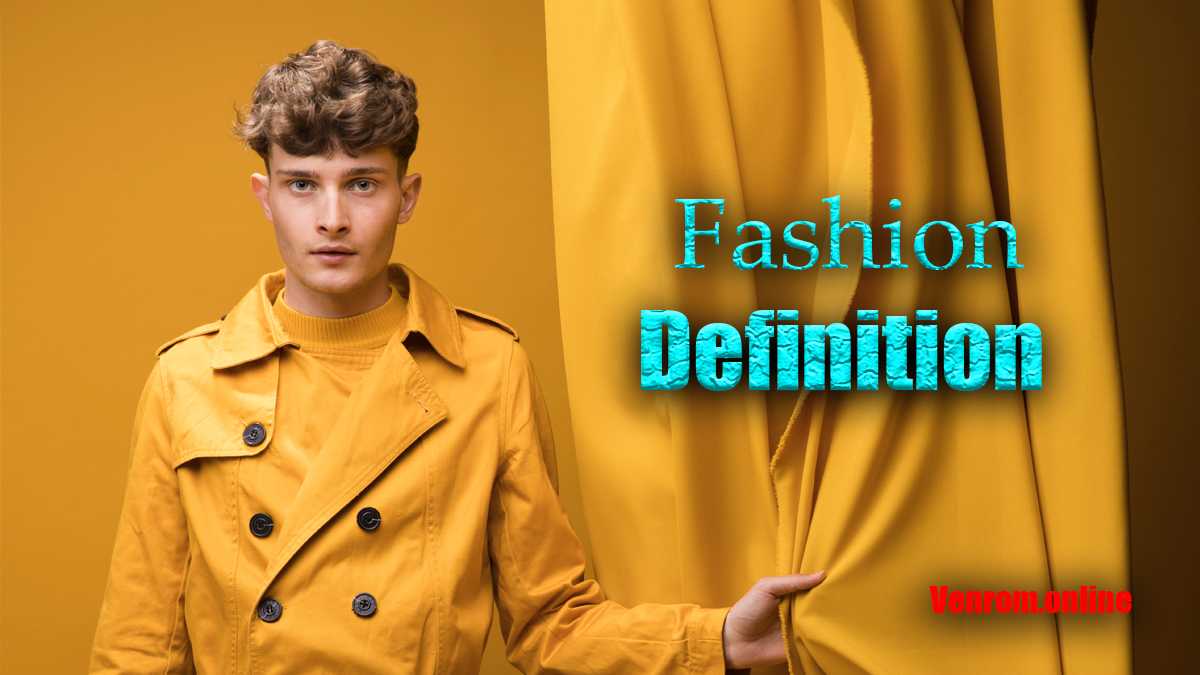
Let me be honest with you. For the longest time, I thought I knew what fashion was. I would flip through magazines, watch runway shows, and nod along as if I understood every stitch and silhouette. But the truth? I was lost. I needed a clear fashion definition that went beyond just “clothes.” And after years of studying, failing, and finally getting it, I want to share what I learned. So grab a coffee, get comfortable, and let’s go on this journey together.
What Is the Real Fashion Definition? (And Why Most People Get It Wrong)
Here is the thing. Most people think fashion is just about expensive brands or following whatever TikTok tells them to wear. But that is not the whole story. The real fashion definition has very little to do with money and everything to do with meaning. Fashion, at its core, is a form of language. It is how we speak without opening our mouths.
I remember walking through New York City for the first time. I was nineteen, wearing a cheap hoodie and sneakers that had seen better days. Everyone around me looked like they belonged to a different species. Sharp blazers. Boots that cost more than my rent. Flowing dresses that caught the wind like sails. And I felt small. But then something clicked. I realized they were all telling stories. The woman in the blazer? She was saying, “I mean business.” The man with the vintage band tee? “I have taste, and I don’t care what you think.”
That is the essence of it. The fashion definition includes the idea of transience, because what is cool today might be embarrassing tomorrow. Remember bell bottoms? Exactly. Fashion is always moving, always shifting. And that is what makes it so exciting.
Why Understanding Style Terminology Changes Everything
Let me share a quick personal story. A few years ago, I walked into a high end store to buy a gift for my sister. The salesperson asked, “Are you looking for something with a structured silhouette or something more fluid?” I froze. I had no idea what those words meant. I mumbled something about “just looking” and practically ran out.
That night, I decided to learn the style terminology that everyone else seemed to know. And let me tell you, it was like learning a secret code. Words like “sartorial meaning” (which is just a fancy way of saying anything related to tailoring and men’s fashion) and “apparel lexicon” (the vocabulary of clothing) opened up a whole new world.
Think of it this way. Learning style terminology is like learning the rules of chess. You can still play without knowing them, but you will never win. Once I understood the difference between a peplum and a peacoat, between haute couture definition (custom made, high end fashion for specific clients) and ready to wear, I stopped feeling like an imposter.
And here is the kicker. You do not need to be a designer to use these words. You just need curiosity. So next time you see a jacket with exaggerated shoulders, do not just say “that’s big.” Say “that has a strong silhouette.” See how powerful that feels?
The Hidden Connection Between Clothing History and Personal Expression
I used to think history was boring. Dates, dead people, dusty books. No thanks. But then I discovered the history of clothing, and suddenly everything made sense. Did you know that high heels were originally worn by Persian male soldiers to help them stay in stirrups while shooting arrows? Or that the little black dress became popular because Coco Chanel wanted something affordable and practical for women after World War I?
Understanding the history of clothing is like understanding why your family has weird Thanksgiving traditions. It gives you context. It explains why we do what we do.
Fashion is also deeply tied to personal expression clothing. This is where the magic happens. I have a friend named Sarah. She is a librarian who dresses like a gothic witch meets grandmother. Long black skirts, silver jewelry shaped like spiders, and bright red lipstick. People stare. But she does not care because her clothes tell the truth about who she is. She loves mystery, old books, and a little bit of darkness.
Your clothes can do the same for you. Are you bold? Wear red. Are you shy? Soft grey sweaters. Do you love art? A paint splattered jacket. The fashion definition is incomplete without this idea of personal expression clothing. Because fashion is not about hiding. It is about revealing.
How Trends vs Style Shape What We Wear Every Day
Here is a mistake I made for years. I confused trends with style. And let me tell you, that confusion cost me a lot of bad haircuts and ugly shoes.
Trends are like the weather. They change constantly. One day everyone is wearing neon green sneakers, the next day it is minimalist beige. Trends are driven by conformity. We see a celebrity wear something, then another, then another, and suddenly we all want it. There is nothing wrong with trends. I own a pair of those ridiculous chunky sneakers. But here is the truth. Trends are borrowed. Style is owned.
Style, on the other hand, is about distinction. It is what makes you different from everyone else. Think about Steve Jobs and his black turtleneck. That was not trendy. That was his uniform. Think about Iris Apfel with her giant glasses and layers of costume jewelry. No one else could pull that off because it was hers.
So when people ask for a fashion definition that lasts, I tell them this. Fashion is the temporary, and style is the permanent. Trends come and go, but your personal aesthetics? That is forever.
I learned this lesson the hard way. In my early twenties, I threw away a perfectly good leather jacket because someone said it was “out.” I regret it to this day. Now I wear what I love, even if Instagram says otherwise.
Exploring Sartorial Meaning Across Different Cultures
This is where things get really interesting. Fashion does not exist in a bubble. It is shaped by where you live, what you believe, and who your people are. The sartorial meaning of a white dress changes completely depending on culture. In the West, it means bridal purity. In parts of Asia, white is the color of mourning.
I once traveled to India for a friend’s wedding. I showed up in a black suit because I thought that was formal. Everyone stared. Turns out, black is considered unlucky for weddings there. I felt like an idiot. But that experience taught me about cultural dress codes.
Every culture has rules. Some are written, most are unspoken. In Japan, wearing sneakers inside someone’s home is a major insult. In Scotland, a kilt is not a costume; it is a symbol of clan identity. In parts of Africa, the colors and patterns on a piece of fabric can tell you if someone is married, grieving, or celebrating.
Understanding the fashion definition means understanding that there is no universal “right” way to dress. There is only the way that respects where you are and who you are with.
I try to keep this in mind every time I travel. I pack a scarf for religious sites. I leave my ripped jeans at home. Small changes, big respect.
Breaking Down the Fashion Industry Terms You Actually Need
Let me save you some embarrassment. The fashion industry terms can be overwhelming. But you do not need to know all of them. You just need the ones that matter.
Here is a quick list from the apparel lexicon that I actually use:
-
Capsule wardrobe – A small collection of clothes that all work together. Think ten pieces that make thirty outfits.
-
Fast fashion – Cheap, trendy clothes that fall apart after three washes. Please avoid this when you can.
-
Bespoke – Made specifically for you, by hand. Expensive but beautiful.
-
Prêt à porter – Ready to wear. Clothes made in standard sizes and sold in stores.
-
Avant garde – Experimental, weird, art like fashion that you might see on a runway but never on a bus.
I remember the first time I heard someone say “capsule wardrobe.” I thought they were talking about medicine. No. It is just a smart way to stop buying junk you never wear.
The fashion definition in the industry is cold and technical. It is about mass production, supply chains, and profit margins. But do not let that cynical view ruin the magic for you. Yes, fashion is a business. But it is also art. And you get to decide which lens you look through.
My Personal Journey With Conformity and Distinction
I need to tell you about my worst fashion mistake. It was 2012. Everyone was wearing those super skinny jeans that cut off circulation. I bought three pairs. I could barely walk. My legs looked like stuffed sausages. But I wore them anyway because I was terrified of being different.
That is conformity at its finest. And it sucks.
It took me years to realize that fitting in is overrated. I remember the exact moment things changed. I was at a party, wearing a bright yellow sweater that my grandmother had given me. It was ugly. Beautifully ugly. And a stranger walked up and said, “I love that. You look like sunshine.”
That was my first taste of distinction. Not trying to be different for the sake of being different. Just being myself and letting the right people notice.
Now I have a rule. Before I buy anything, I ask myself one question. “Does this feel like me or like everyone else?” If the answer is “everyone else,” I put it back. My wallet has thanked me. And so has my confidence.
The fashion definition that works for me now is simple. Fashion is a tool. Use it to signal who you are, not who you wish you were.
What Is Costume and How Is It Different From Fashion?
This is a question that confused me for years. Is a Halloween costume fashion? What about a historical reenactment outfit? Or a traditional costume from another country?
Here is the distinction I have learned. Fashion is for living. Costume is for performing. When you put on a costume, you are becoming someone else for a short time. A pirate. A Victorian ghost. A superhero. That is fun. But it is not your daily reality.
Fashion, on the other hand, is the armor you wear to go to work, buy groceries, meet friends, and live your messy, beautiful life.
That said, the line gets blurry. Some people wear costume inspired pieces every day. A corset top with jeans. A cape instead of a coat. A top hat just because. And honestly? I love that energy. If you want to dress like a Victorian ghost on a Tuesday, go for it. Just know the difference.
I sometimes wear a velvet cloak in the winter. People look at me funny. But I stay warm and I feel like a wizard. That is worth more than fitting in.
Understanding Modernity and the Future of Fashion
We are living through a strange time. Modernity has brought us amazing things. Stretch denim. Moisture wicking fabric. Shoes you can run a marathon in. But it has also brought us problems. Too much waste. Unfair wages. And a culture of throwing things away.
I used to buy a new shirt every week. Seriously. I had a problem. Then I watched a documentary about where old clothes go. Mountains of them in the desert. Burning. Releasing poison into the air. I felt sick.
That was my wake up call. Now I buy less. I buy better. I mend my jeans when they rip. I trade clothes with friends. And you know what? I actually enjoy my wardrobe more now. Every piece has a story.
The future of fashion is going to look different. We are seeing modernity collide with sustainability. Clothes made from recycled plastic. Shoes that you can compost. Rental services for special occasions.
The fashion definition for the next generation might not be about newness at all. It might be about cleverness. About wearing the same jacket for twenty years and making it look cool every single time.
I hope that is the world we build.
Putting It All Together: Your Actionable Guide
So after all these words, what do you actually do? Here is my simple, proven plan for anyone who wants to understand fashion without losing their mind.
First, forget everything you think you know about the fashion definition. Start fresh. Fashion is not about being rich or thin or young. It is about communication.
Second, learn five pieces of style terminology this week. Pick words that scare you. Use them in a sentence. I promise no one will laugh.
Third, look at your own closet. What stories are your clothes telling? Are they true stories? If not, donate what does not fit your narrative.
Fourth, stop chasing every trend. Pick one trend per season if you must. Let the rest go.
Fifth, find one person whose style you admire. Not a celebrity. A real person. Ask them how they choose their clothes. You will learn more in five minutes than in five years of reading magazines.
I did this with my neighbor Helen. She is seventy two years old and wears neon sneakers with floral dresses. I asked her why. She said, “Because I am not dead yet.” That changed my whole perspective.
Conclusion
Understanding fashion is not about memorizing designers or spending your whole paycheck. It is about knowing yourself. The fashion definition I have settled on after years of mistakes and discoveries is this. Fashion is the art of translating your inner world into an outer visual language.
It is temporary. It is messy. It is deeply personal. And it belongs to everyone.
I am still learning. Every day I see someone wearing something that makes me rethink everything I thought I knew. That is the beauty of it. Fashion never stops evolving. And neither do we.
So go ahead. Wear the yellow sweater. Keep the leather jacket. Ignore the rules that do not serve you. And remember that the best outfit you will ever wear is the one that makes you feel fully, unapologetically alive.


