


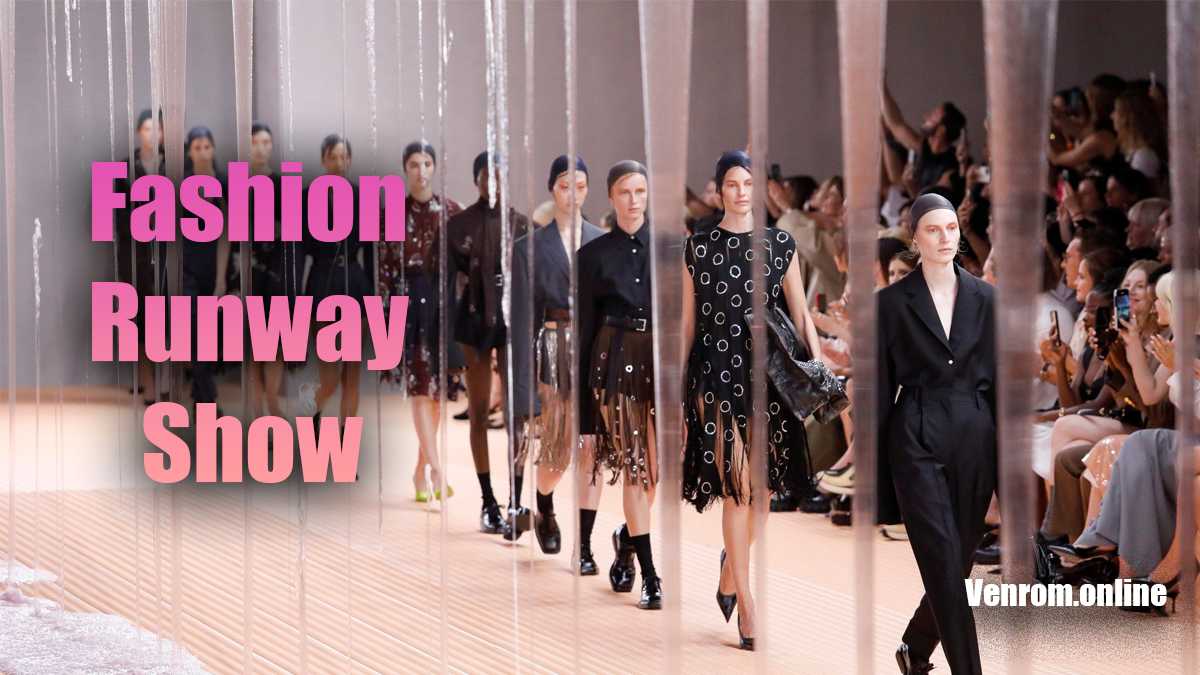
Let me be honest with you for a second. The first time I attended a fashion runway show, I had absolutely no idea what I was doing. I showed up wearing the wrong shoes, sat in the wrong section, and spent most of the time staring at the back of someone’s elaborate headpiece instead of the clothes. Embarrassing? You bet. But here’s the thing, that disaster taught me more than any textbook ever could.
A fashion runway show isn’t just about models walking in a straight line. It’s a living, breathing ecosystem of creativity, chaos, and commerce. And whether you’re a budding designer, a fashion student, or simply someone who wants to appreciate the spectacle without looking lost, you need a game plan.
So grab a coffee, get comfortable, and let me walk you through the seven best ways to not just watch a fashion runway show, but to truly master it.
1. Understand the Haute Couture Collection Before the Lights Go Down
You wouldn’t go to a concert without knowing the band’s songs, right? The same logic applies here. Every fashion runway show revolves around a specific haute couture collection or a prêt à porter line. Before you even step into the venue, do your homework.
I remember my second show. This time, I spent twenty minutes reading the designer’s press release and looking at their past seasonal apparel launch. The difference was night and day. Suddenly, I could spot the recurring motifs, the fabric experiments, and the subtle nods to historical silhouettes. I wasn’t just watching clothes go by, I was decoding a story.
Ask yourself: What is the creative director trying to say? Is this a designer debut showcase or an established house flexing its legacy? Knowing this transforms you from a passive observer into an active participant.
Here’s a practical tip. Most fashion week schedules are published online weeks in advance. Look for the collection’s mood board or inspiration notes. Even a five minute scan will give you enough context to sound like you know what you’re talking about.
2. Master the Catwalk Models Lineup and Their Walk
Let me paint a picture for you. A model struts down the runway. She’s wearing a gown that looks like liquid metal. Everyone gasps. But do you know why her walk felt so powerful? It wasn’t accidental.
The catwalk models lineup is carefully curated. Each model is chosen not just for their look but for their ability to embody the garment’s attitude. Some walk with aggressive purpose. Others float like they’re barely touching the ground. Pay attention to the pacing.
I once sat next to a veteran casting director who whispered to me, “Watch the hips, not the face.” Changed my entire perspective. The way a model swings their hips affects how the fabric moves. A stiff walk kills a flowy dress. A bouncy walk ruins sharp tailoring.
So here’s your challenge at the next fashion runway show. Pick three models in a row. Observe how each one interprets the same clothes differently. You’ll start seeing the subtle art of the casting call. It’s like comparing actors playing the same role in different Shakespeare productions. Same lines, wildly different performances.
3. Decode the Front Row Celebrities and Their Hidden Language
Oh, the front row. That sacred strip of seats where the famous, the wealthy, and the well connected sit pretending to look interested. But here’s a secret I learned after years of crashing after parties (don’t ask). The front row celebrities aren’t just decoration. They’re a signal.
When you see a particular actress wearing a piece from the upcoming haute couture collection, that’s not coincidence. That’s strategic placement. Designers and their公关 teams use the front row to announce which celebrities are now “friends of the house.” It’s a soft launch for future ambassadorships.
I’ll never forget watching a young influencer get seated next to a Vogue editor. The influencer was bouncing with excitement. The editor didn’t smile once. By the third look, the influencer stopped bouncing. She learned the unspoken rule, you react with your eyes, not your whole body. A slight nod. A tiny smile. That’s it.
So next time you’re watching a livestream fashion event or attending in person, play a game called “spot the deal.” Who is sitting next to whom? Who arrived late on purpose? Who left early? That seating arrangement etiquette tells you more about industry politics than any gossip column ever will.
4. Pay Attention to the Runway Music Playlist and Lighting Design
Close your eyes for a moment. Imagine a funeral dirge playing while a bride walks down the aisle. Ridiculous, right? Music and lighting are the invisible puppeteers of any fashion runway show.
I once attended a show where the designer used a chaotic drum and bass track for a collection of serene white linens. It felt like a fever dream. People were confused. The clothes got lost. Two seasons later, that designer switched to a different creative director. Coincidence? I think not.
The runway music playlist sets the emotional tempo. Fast, aggressive music makes even the softest cashmere feel urgent. Slow, ambient drones make leather jackets feel melancholic. And the lighting design? That’s the difference between seeing a garment’s true color and thinking it’s something it’s not.
Here’s a pro tip. Watch how the lighting changes between looks. A sudden spotlight often signals a finale piece. A dim, moody wash means the designer wants you to focus on texture over color. And if you see strobes? Brace yourself for something wild.
Think of it like a movie score. You don’t notice it when it’s good. But when it’s bad, you can’t ignore it. The best fashion runway shows use music and light as silent narrators. So train your ears and eyes. They’ll tell you the real story.
5. Navigate Backstage Preparation and Venue Layout Like a Pro
Let me tell you about the time I accidentally wandered backstage before a show. I was looking for a bathroom. Instead, I found a hurricane of hairspray, safety pins, and panicked dressers. A model was crying because her zipper broke. A makeup artist was painting someone’s nails while the model was already walking toward the stage. Pure chaos.
That experience taught me something invaluable. The fashion runway show you see is the calm after the storm. The real magic happens during backstage preparation.
If you ever get the chance to peek behind the curtain, look for three things. First, the garment silhouette adjustments. See how many pins are holding a dress together? That’s not a mistake, that’s last minute tailoring. Second, the order of dressing. Models wearing complex structural pieces get dressed first. Those in simple slip dresses go last. Third, the vibe. A quiet backstage usually means a confident team. A loud one means something went wrong.
And don’t underestimate the venue layout. A circular runway forces different pacing than a straight T shaped catwalk. A warehouse space with concrete floors changes the sound of footsteps. An outdoor show means battling wind, sun, and sometimes rain.
I once watched a show where the venue had a glass ceiling. It started raining halfway through. The designer didn’t flinch. He let the rain hit the models. That unplanned moment became the most photographed look of the entire fashion week schedule. Sometimes, the best accidents happen when you understand your environment well enough to embrace them.
6. Analyze the Finale Walk and What It Reveals About Confidence
The finale walk. That glorious moment when all the models return to the runway, usually in a single file or a coordinated cluster. Then the creative director appears, takes a bow, and disappears backstage. It lasts maybe ninety seconds. But those ninety seconds tell you everything.
I have a personal rule. I judge a designer not by their first look but by their finale behavior. A creative director who runs out, does a quick wave, and flees? Insecure. Someone who walks slowly, makes eye contact with the front row, and even helps adjust a model’s train? Confident. A designer who brings their entire atelier on stage? That’s someone who understands teamwork.
The finale walk is also where you see the true heroes of the show. Sometimes the casting director gets a nod. Sometimes a senior seamstress is pulled on stage. I once saw a designer give his bouquet to a young intern who had stayed up all night fixing a hem. The audience cheered louder for that gesture than for any dress.
So when you watch a fashion runway show, don’t check your phone during the finale. That’s when the human story happens. It’s the difference between a corporation showing clothes and an artist sharing their soul.
And here’s a weird analogy for you. The finale walk is like the last chapter of a mystery novel. You’ve spent the whole book following clues. Now the detective explains everything. If you skip to the back cover, you miss the satisfaction. Don’t be that person.
7. Apply Trend Forecasting and Press Review to Your Own Style
Alright, the show is over. The lights come up. People rush to the after party. But your work isn’t done yet. The most valuable part of any fashion runway show happens in the days and weeks after.
Trend forecasting is the art of predicting which runway elements will trickle down to mainstream fashion. Not every exaggerated shoulder or neon fringe will end up in your local mall. Some ideas are purely theatrical, meant only for the haute couture collection. Others are subtle seeds that will bloom into mass market trends.
I learned this the hard way. After one show, I ran out and bought a pair of metallic boots I saw on the runway. They looked ridiculous with my jeans. Six months later, metallic boots were everywhere. But by then, mine were already scuffed and forgotten. Timing matters.
Instead, keep a small notebook. Write down three recurring elements you saw. Was it a particular hem length? A fabric texture? A way of layering? Then, check the press review a week later. See what the critics noticed. Compare their observations to yours.
Sometimes you’ll be ahead of them. That feels amazing. Sometimes you’ll have missed something obvious. That’s humbling. Both are useful.
Then, here’s the fun part. Try incorporating one tiny element into your daily wardrobe. Not the whole look. Just a hint. A silhouette inspired by that finale gown. A color palette borrowed from the lighting design. This is how you make a fashion runway show personal. It stops being something you watch and becomes something you live.
A Personal Confession About My First Fashion Runway Show
I owe you an honest confession. For years, I pretended to understand fashion runway shows. I would nod along when friends gushed about a particular collection. I would use words like “deconstruction” and “narrative” without really knowing what they meant. I was a fraud in nice shoes.
Then one day, a designer friend invited me to her show. Not as press. Not as a guest. As a helper. She put me in charge of handing water bottles to models backstage. That’s it. The most boring job imaginable.
But standing there, watching the chaos up close, something clicked. I saw a model comfort another model who was homesick. I saw a seamstress cry with relief when a tricky clasp finally held. I saw the creative director hug every single person before the finale walk.
That fashion runway show wasn’t about clothes anymore. It was about people. People who had poured months of their lives into fourteen minutes of spectacle. People who believed so deeply in fabric and thread that they were willing to risk public humiliation.
I stopped pretending to be an expert that day. I started being a student. And honestly? That’s the best way to master anything. Not by knowing all the answers. But by staying curious enough to keep asking better questions.
Final Thoughts That Actually Work
Look, I could give you a fancy checklist. I could throw around terms like prêt a porter and seating arrangement etiquette until your eyes glaze over. But here’s what actually matters.
A fashion runway show is a gift. It’s a concentrated burst of human creativity, compressed into a few minutes and set to music. You don’t need to understand every reference or recognize every front row celebrity. You just need to show up with open eyes and a willing heart.
The seven ways I’ve shared with you are tools. Use them or ignore them. But never lose the wonder. That first show I ruined with my wrong shoes and confused expression? I still remember the exact moment a model turned at the end of the runway, her dress catching the light like a stained glass window. I forgot to be embarrassed. I just felt awe.
Let yourself feel that. Everything else is just details.


